Are you facing internet speed issues even after buying a faster plan? Slow speed leads to buffering videos, dropped video calls, and slow-loading pages. The first thing most people do is restart or reset the router. But what if the internet is still slow even after trying everything?
Most internet users forget the age of the router, which can directly impact achieving good internet speed. New devices, smart TVs, work-from-home setups, and faster broadband push the old router beyond its capacity. Over time, routers lose efficiency, miss security updates, and struggle with coverage.
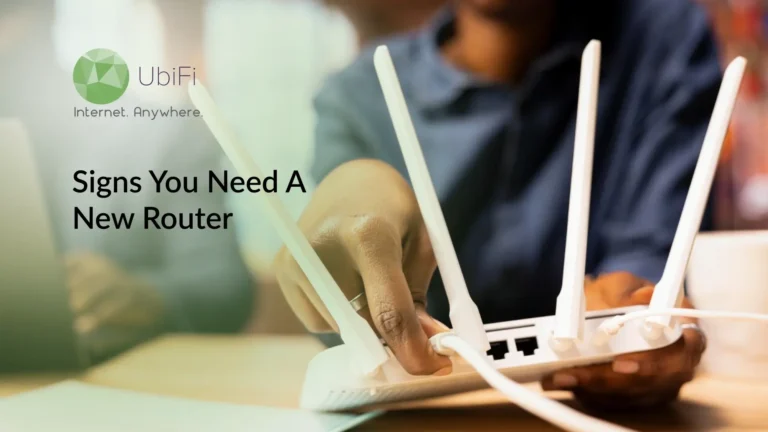
Now, the next obvious question is, what are the signs you need a new router? In this blog, we will explain how you know if you need a new router to improve your home WiFi. We’ll also discuss what to look for in a new router to get maximum performance from your internet connection. Let’s begin!
6 Signs You Need a New Router
Below are some common signs that you need a new router. If you’re facing any of these, consider replacing it with a newer one.
Slow Internet Connection
If the internet speed is slow even when the plan hasn’t changed, the router might be the issue. Older routers struggle with modern data needs. They rely on outdated WiFi standards like WiFi 4 or early WiFi 5. These standards cannot manage multiple devices at once. When phones, TVs, laptops, and smart devices all connect and compete for bandwidth, the speed reduces. Run a speed test near the router, and if you see low numbers, consider it a warning sign.
Router Age
Routers usually last 4 or 5 years. After that, the internal part starts to lag behind current needs. Firmware updates become slow or stop. Security patches become rare. Faster internet speed from internet providers also demands stronger processors. An older router may still turn on, but it no longer works efficiently.
Router Heating Up
Overheating is not normal. It usually means the processor is working too hard. This happens when the router handles more data than it was designed for. Heat causes slower internet speeds, random reboots, and signal drops. Over time, it damages the internal parts of the router. If your router feels hot to the touch or shuts off during heavy use, it is nearing failure.
Compatibility Issues
New devices use newer WiFi protocols and wider channels. Older routers cannot fully support them. This leads to poor performance even when the device itself is high-end. You may see buffering on a smart TV or lag during online gaming. Some routers also lack support for mesh WiFi systems or dual-band steering. That limits coverage.
Malfunctioning
Frequent disconnections are not normal. If the router resets on its own or loses its settings, the memory may be weak. Blinking lights that don’t match the manual are another sign. These issues rarely get better with resets. They usually point to hardware wear, not software trouble.
Unreliable Connectivity
If your WiFi drops when you move a few rooms away, the router’s range is weak. Antennas weaken over time. Older routers also lack modern beamforming, which helps direct the signal toward devices. This causes unstable coverage, especially with walls, floors, or interference from nearby networks.
In short, slow speeds, frequent drops, overheating, and poor range usually mean your router can’t handle modern devices or data needs. If it’s over 4-5 years old, struggles with new devices, or disconnects often, upgrading will improve speed, stability, and security.
How to Choose a New Router?
Choosing the right router does not mean buying the most expensive one. You need to match the router with your usage and priorities.
Internet Speed and Bandwidth
Start with the internet plan you already pay for. If your plan offers 300 Mbps or higher, a basic router will not be able to deliver that speed to your device. Look for a router that supports modern WiFi standards like WiFi 6 or newer. These routers handle data more efficiently. They move data faster and more intelligently. This matters when several devices are online at the same time.
Coverage Needs
Consider the layout of your house. Walls, floors, and distance make the WiFi signal weak. A small apartment may need only one strong router. A larger home often needs wider coverage or a mesh system to avoid dead zones. Coverage should be consistent throughout the house.
Device Load and Usage
Count how many devices stay connected. Phones, laptops, TVs, cameras, and smart speakers all put a load on the router. A good router manages this load without slowing down. Look for routers that allow multiple connections at once. It will ensure video calls are smooth and gaming is responsive, even during peak hours.
Security Features
A router is the gatekeeper of your home network. Modern routers offer built-in firewalls, automatic updates, and device control. These features protect your data in the background. Older models often lack ongoing security support. A secure router reduces risk without adding work for you.
Future-Proofing
Technology evolves very quickly. So look for a router that can last several years, not just one. Choose a model that supports newer Wi-Fi standards and regular software updates. It ensures steady performance as internet speeds grow and devices change. Spending a little more now often saves money and stress later.
Simply put, a good router should match your internet speed, cover your entire home, and handle all your devices without slowing down. Prioritizing security and future-ready features ensures stable performance.
How Often Should You Replace Your Router?
Replacing a router isn’t a technical task. Just follow the correct order. Below are the steps that ensure the process stays smooth from start to finish.
Step 1: Disconnect the Old Router
Turn off the old router and unplug it from power. Remove all connected cables, including the Ethernet line from the modem. This clears the setup and avoids connection conflicts. Take a moment to note how the wires were placed.
Step 2: Set Up the New Router
Place the new router in a central, open spot. Avoid corners and closed cabinets. Connect it to the modem using an Ethernet cable. Plug it into power and wait until the indicator lights stabilize. This usually takes a few minutes.
Step 3: Configure the Network
Use a phone or computer to access the router’s setup page. Most routers guide you step by step through an app or browser. Create a clear network name and a strong password. Avoid default settings. This improves both performance and security.
Step 4: Update and Secure
Once connected, check for firmware updates. These updates fix bugs and improve stability. Enable basic security features like automatic updates and device monitoring. They protect your network without extra effort.
Step 5: Test the Connection
Connect your main devices and check the speed in different rooms. Look for weak spots and adjust the router’s position. A small move can make a big difference. Your connection should feel steady and responsive.
Follow these steps to replace your router and enjoy faster speeds. This process will help you avoid common WiFi router problems.
Upgrade to High-speed Internet with UbiFi
Explore Our PlansSumming Up
If you are continuously experiencing internet issues and have tried everything, but the speed isn’t improving, chances are your router needs to be replaced. Signs like frequent disconnections, overheating, poor range, and compatibility issues clearly indicate that your router is outdated. You should get a new router ASAP.
Place the new router in a central location. Match it to your internet speed, home size, device load, and security needs, and performance improves instantly. Add proper placement, updated firmware, and a clean setup process, and your Wi-Fi becomes faster, more stable, and future-ready.
If you’re ready to make the switch, the UbiFi F1 Router is a strong option to consider. It’s designed for modern households that need reliable speed, wide coverage, and smooth performance across multiple devices.
FAQs on Signs You Need a New Router
Does unplugging a router reset it?
No, unplugging a router only restarts it. This clears minor glitches and refreshes the connection, but your Wi-Fi name and password stay the same. A complete reset is different. That requires pressing the device’s reset button, which erases all settings.
What is the lifespan of a WIFI router?
Most WiFi routers last 3 to 5 years with normal use. Over time, hardware wears out, WiFi standards become outdated, and firmware limitations can lower performance. If your router doesn’t support modern speeds, security updates, or multiple connected devices, it might be approaching the end of its useful life.
How often should i replace my router?
Most routers last about 3 to 5 years before their performance starts to decline. If you notice slower speeds, dropped connections, or issues when connecting multiple devices, it might be time to upgrade. Using a modern router with services like UbiFi ensures you get the best speed and reliability from your internet connection.
How do i know if i need a new router?
You might need a new router if your WiFi often drops, speeds are slower than what your plan supports, or your router struggles with many devices. Older routers also miss newer WiFi standards. Upgrading your router can improve performance when using reliable internet services like UbiFi.